


The transition from lot-level traceability to item-level traceability is now inevitable. The tool that makes this transition possible is called Unique Serialization, and when combined with Global Traceability, this technology gives businesses the ability to achieve full transparency, respond immediately, and ensure documented compliance.
Panagiotis Kokkalas
Account Manager, Greece & Cyprus, Theodorou Group
The New Era of Traceability: From Lot-Level to Item-Level
In the era of globalization, supply chains have become more complex than ever. Multiple suppliers, different markets, and increasing demands for transparency and safety define the modern industrial environment. Consumers want to know where every product comes from, while European regulations require full documentation of product origin and movement.
Traceability is no longer an optional luxury. It is a fundamental factor for survival and a strategic prerequisite for sustainability, compliance, transparency, and competitiveness in every industry.
The ability to know where each product is located, who produced it, and how it was distributed is not merely a matter of quality. It is a matter of safety, regulatory compliance, and operational intelligence.
The transition from lot-level traceability to item-level traceability is now inevitable. The technology that enables this transition is Unique Serialization, meaning the assignment of a unique serial number to each individual product. Combined with Global Traceability, this technology provides businesses with full transparency, immediate response capability, and documented compliance within an increasingly demanding regulatory environment.
Challenges of Modern Industry
Today’s industrial environment faces multiple challenges, including:
-
Lack of item-level traceability: Most production lines operate on a lot-based system. This means that when a problem occurs, it is difficult to precisely identify which individual items are affected. The result is delayed and costly product recalls.
-
Complexity of production lines and products: Multiple SKUs, different packaging formats, multiple languages, and diverse customer requirements make format changes more frequent and prone to errors.
-
Stricter regulations and audits: Companies must demonstrate the origin and journey of each product. Non-compliance can lead to significant fines and loss of market trust.
-
Increasing risks of counterfeiting and parallel imports: Counterfeit products damage brand reputation. Customers and partners increasingly demand product authenticity verification through serial numbers.
-
Pressure to reduce costs and inventory levels: Without real-time data, inventory management becomes “blind,” leading to excessive safety stock and delays in deliveries.
From Challenge to Opportunity: How Technology Turns Cost into Productivity
Beyond compliance, unique serialization and automation technologies act as catalysts for productivity improvement. Key factors contributing to operational cost reduction and performance improvement include:
-
Automation of manual processes
Processes that once required hours - such as order processing, inventory updates, or data entry - can now be completed within minutes. Automation drastically reduces human errors and eliminates repetitive corrections.
-
Workflow Optimization
The real power lies in real-time visibility. Every product receives a digital identity, allowing managers to know exactly where it is and what condition it is in. As a result, managers no longer react to problems after they occur but anticipate and prevent them through proactive operational management.
-
Reduction of labor costs
Higher efficiency allows human resources to be reassigned to higher-value activities while reducing overtime caused by inefficient processes.
-
Inventory reduction and fewer errors
The ability to implement just-in-time production and accurate demand forecasting significantly reduces safety stock levels and capital tied up in inventory. Improved traceability also reduces returns, expired products, and order errors.
Causes of Lost Sales
It is now widely recognized that the absence of modern traceability systems affects not only production but also commercial performance. Lack of traceability impacts business performance and leads to lost sales. The most common causes include:
-
Stock-outs
These occur due to the absence of real-time warehouse data, resulting in delivery delays and dissatisfied customers.
-
Incorrect demand forecasting
When forecasts rely solely on historical data rather than real-time reports, companies cannot respond effectively to changing market demand.
-
Quality Issues
Late detection of product failures after sales leads to returns, loss of customer trust, and additional costs. By adopting unique serialization and automation technologies, these issues can be largely eliminated. Companies always know what they have, where it is, and the exact condition of every product.
What is Unique Serialization and Why It Is Critical
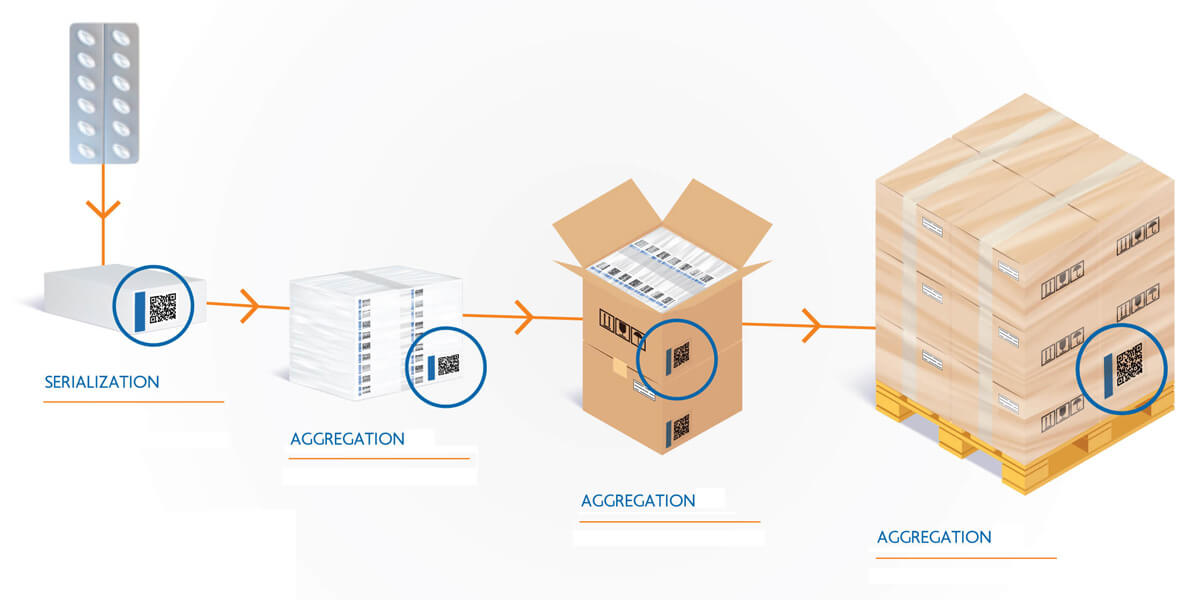
Unique Serialization is the technology that assigns each product a unique serial number—its own digital identity. This number accompanies the product throughout its entire lifecycle, from production to delivery to the end customer. This ensures full traceability at every stage and enables precise identification of individual items in case of a recall. It also enables authenticity verification and prevents counterfeiting while creating a unified and reliable database connecting production, warehouse operations, and distribution. Beyond regulatory compliance, Unique Serialization forms the foundation of the digital transformation of manufacturing, turning production data into actionable business intelligence.
Compliance with New European Regulations
The European Union is steadily moving toward a framework of transparency and sustainability. Key regulations shaping this new environment include:
- ESPR (Ecodesign for Sustainable Products Regulation): Requires the creation of a digital footprint for each product, including information about origin, environmental impact, and lifecycle.
- Digital Product Passport (DPP): By 2027, all products will carry a unique 2D code (QR or DataMatrix) providing access to all lifecycle data.
- GS1 / EPCIS 2.0 & Digital Link: Define standards for interoperability of traceability data between manufacturers, retailers, and authorities.
- FMD (2016/161) και DSCSA (ΗΠΑ): Indicate the global direction toward electronic connectivity across all links of the supply chain.
Compliance is not optional. It is a market requirement and will soon become a legal obligation. Greek industries that move early will gain a significant competitive advantage.
Technologies That Enable Serialization
Successful implementation requires a combination of hardware and software working in full integration:
- 2D Printing Technologies: Including CIJ, TIJ, LASER, and Print & Apply systems that enable high-speed and precise printing of unique codes on every product.
- Vision Systems: Ensure print quality control and real-time data verification.
- RFID/NFC Tags: Enable smart traceability for pallets, cartons, and containers.
- MES/ERP/WMS Integration: The central nervous system of production. It connects serialization, warehouse operations, and distribution within a unified ecosystem.
Benefits for Industry
- Up to 30% reduction in operating costs
- Increased productivity and reliability
- Elimination of counterfeiting and product imitation
- Full compliance with European standards
- Greater transparency and trust among customers and partners
Companies adopting these technologies today gain a strong technological and business advantage for the years ahead.
Conclusions and Next Steps for Businesses
The transition to item-level traceability is not merely an IT project. It is a strategic decision for business transformation that requires coordination between production, quality, IT, and management.
Key steps include:
- Evaluating the current situation and business objectives
- Designing a comprehensive implementation plan
- Selecting a reliable partner with serialization expertise
- Training personnel and adapting processes
- Gradual implementation with measurable benefits
The future of traceability is not simply digital - it is unique. The transition from lot-level to item-level traceability is not just a technical choice but a strategic business decision.
In a world where every product, every batch, and every movement can be monitored, analyzed, and optimized in real time, traceability transforms from a regulatory obligation into a competitive advantage.
Industries that view traceability as a strategic investment rather than a compliance burden will lead the next industrial era. Every Greek manufacturing company that wants to remain competitive in the market of digital products must begin its journey toward unique serialization today.
Theodorou Group, with decades of experience in automation, industrial marking and coding, and production data management, supports this transition with solutions that combine technology, expertise, and reliability.

Panagiotis Kokkalas, B.Sc. Automation Engineering, MBA, is Account Manager Greece & Cyprus in the Coding, Traceability, and Production Management Systems division at Theodorou Group. He specializes in technologies for product coding and traceability as well as automatic identification and data capture (AIDC) solutions supporting modern manufacturing environments.